
Fish the Lower Tweed
Whether you're a complete beginner or an experienced angler, enjoy a day of salmon fishing tailored to you on one of the Lower Tweed's historic beats.
Learn more
A long fishing history
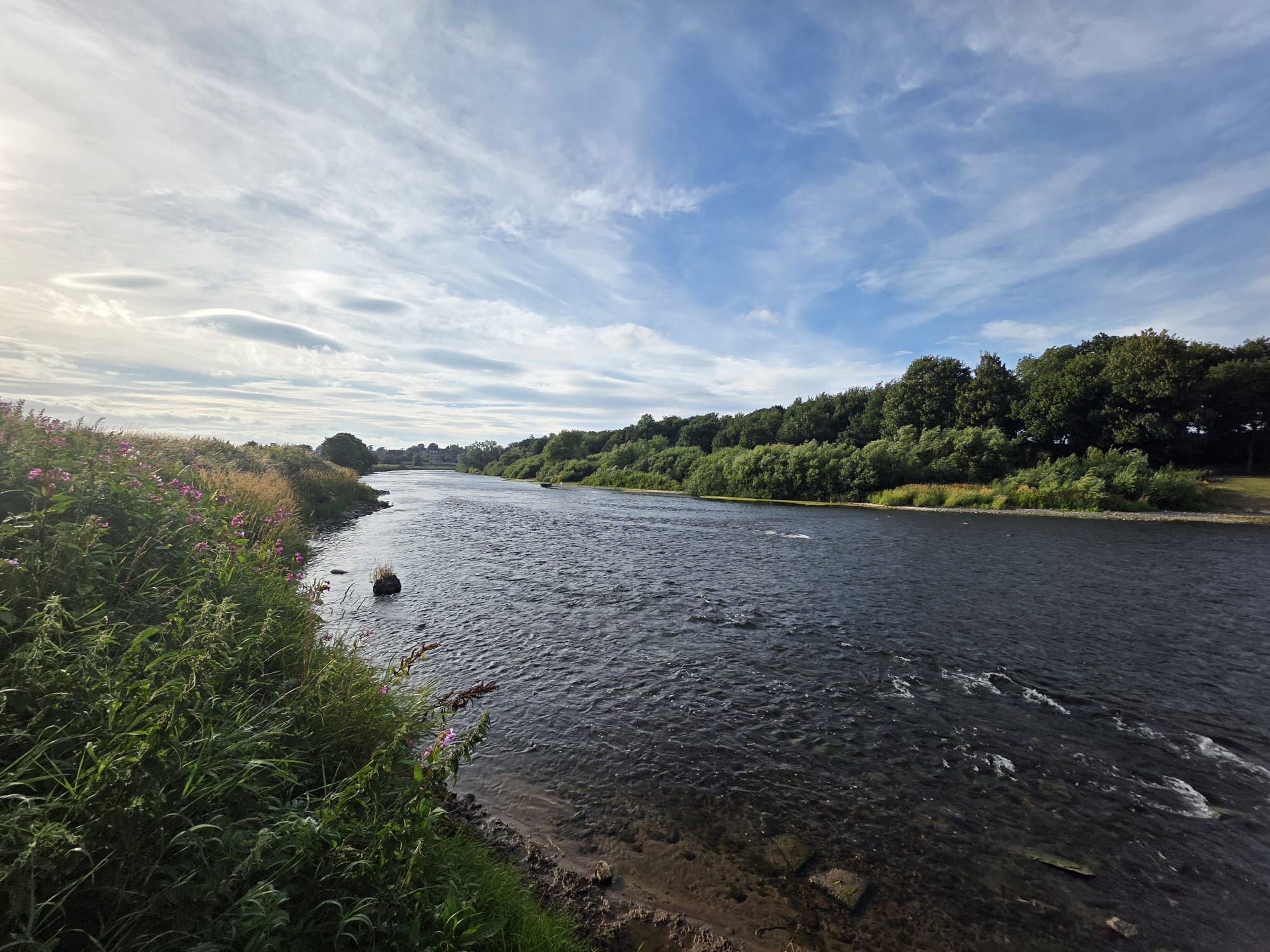
Formerly part of the renowned Lees Beat, Lower Lees benefits from a long-established reputation as one of the most consistently productive stretches of water on the entire Tweed system.
Historically, Lower Lees was fished as part of the wider Lees Beat, a highly regarded two-mile, four-rod fishery.
The wider Lees Beat achieved a remarkable five-year average of 381 salmon and grilse annually between 2020 and 2024, including an outstanding catch of 624 fish in 2024.
- 5/8 mile
- Exclusive single left bank fishing
- 2 rods
- 2 rod beat
- 5 named pools
- Offering varied fishing throughout the season
- Bank/Boat/Wade
- Multiple ways to access the water
Facilities
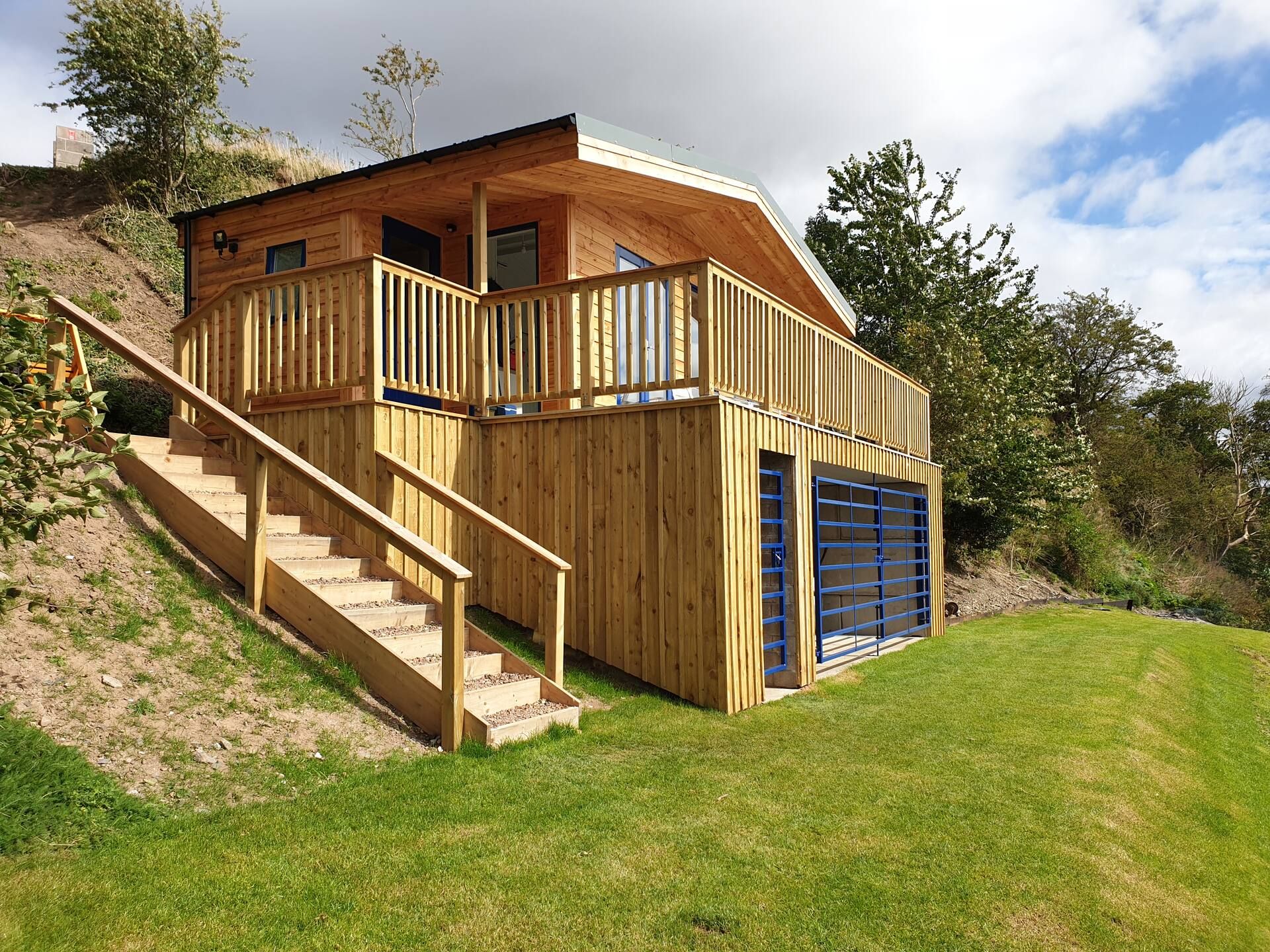
Lower Lees guests have access to the fishing hut at Upper North Wark, one of the finest huts on the river and just a five-minute drive from the beat.
A hot cup of coffee and a warm welcome await your arrival. The hut has a comfortable balcony overlooking the river where, weather permitting, anglers and their partners can sit outside, read a book and take in the beautiful views.
Cooking, lighting, heating and toilet facilities are all available for your use, along with extensive off-road parking.
Lower Lees also has two Tweed rowing boats, providing access to pools that are more difficult to wade.
A Typical Day
A full day's salmon fishing at Lower Lees beat with the support and local knowledge of our ghillie team.
- 09:00Meet at the fishing hut for tea, coffee (or a dram!) and discuss the plan for the day.
- 09:30Head out onto the beat, your rods will have been put up whilst you have your coffee. Advice will be offered on the best equipment for the conditions.
- 10:00Morning fishing across the pools, with guidance from the ghillies as required.
- 13:00Lunch at the fishing hut. Bring your own lunch or make use of the BBQ facilities.
- 14:00Head back onto the river for the afternoon session.
- 17:00End of the day.
What To Bring
If you're new to salmon fishing or don't have the correct equipment with you, everything you need can be hired from the beat.
Full hire package available:
- 15ft double-handed salmon rod
- Reel & lines
- Floating & sinking tips
- Flies
- Waders & boots
- Protective glasses
All you need to bring is a hat and some thick socks!
There is no guarantee of catching a fish and any salmon caught need to be returned to the water by order of the Tweed Commissioners.
Did you know?
The Life Cycle of the Atlantic Salmon
1. In the river
The life cycle of the Atlantic Salmon commences in the autumn when the eggs are laid and buried in the gravel at the riverbed, such as in rivers like the Tweed. Come early spring, these eggs hatch into tiny alevins, still reliant on the attached yolk sac for food. They stay underneath the gravel for 4 to 6 weeks because they cannot swim very well, and it also protects them from predators.
2. Out to sea
In late spring and early summer, the alevins evolve into fry, emerging from the stones to feed on water organisms. By their first year, fry transition into parr, feeding on insects and residing in freshwater for a period ranging from 1 to 4 years. Subsequently, they become smolts. The smolts undergo migration to the sea in their 2nd, 3rd, or 4th year, embarking on a journey where they cover substantial distances and feed on sandeels, krill, and herring.
3. The journey home
Following 1 to 4 years at sea, the mature salmon embark on a return journey to the river of their birth for breeding. Remarkably, they do not eat upon reentering the river. Salmon that return after only one year at sea are called “grilse.” The breeding process, known as spawning, involves the female using her tail to create a redd or small nest in the gravel. She then lays her eggs, and the male salmon releases milt to fertilize them. Post-spawning, the majority of salmon perish, but certain females, referred to as kelts, return to the sea to spawn again in the subsequent year.
Group Bookings
We can accommodate up to 6 rods across two beats by separate arrangement. They are 5 minutes apart and both benefit from the hut at Upper North Wark. They are complementary to the extent that one fishes well at high water and the other at low water. Please contact us at bookings@lowerleesfishing.com for more details.